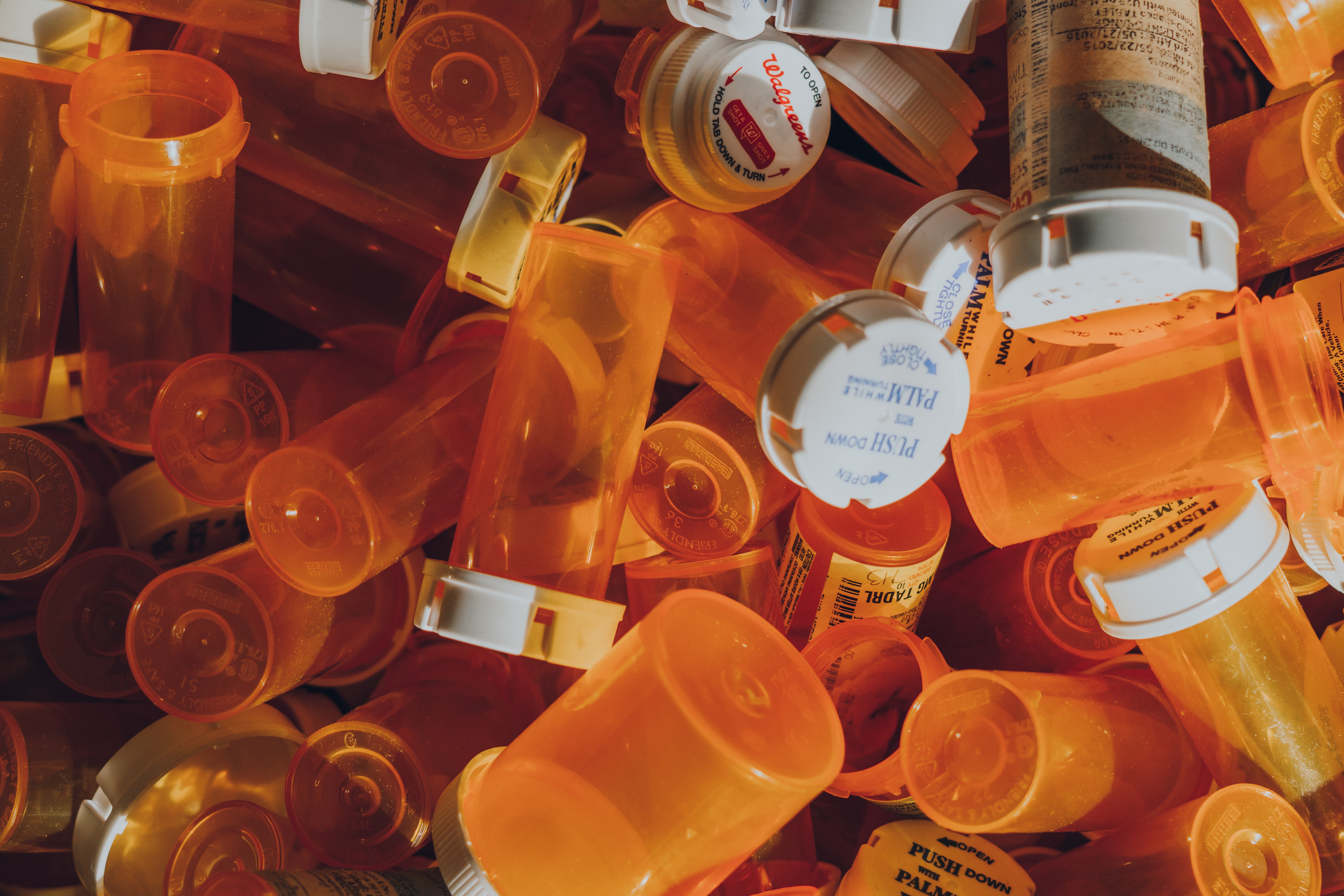
How do we define a public health crisis? Some of them are obvious, as the COVID-19 pandemic taught the world. But in other cases, slower trends converge and lead to equally severe issues, though without the same stark, stunning arrival. The prescription drug market represents one such case, and many public health experts assert we should be referring to this supply chain as a public health crisis of its own.
The trends underlying the massive and dire shortages of a wide range of critical prescription drugs involve multiple parties, throughout the supply chain. At the farthest downstream point, consumers exhibit growing needs for a range of medications. Adderall, for example, has been prescribed with increasing frequency since its initial introduction on the market. Especially as physicians have gained increasing insights into attention deficit and hyperactivity disorder (ADHD), they have broadened the criteria for prescribing Adderall and its generic equivalents, in their efforts to help the many people who struggle with this condition. Similarly increasing demands involve other drugs, including weight loss prescriptions but also cold and flu medication, which many people with relatively mild cases of the coronavirus used to treat their symptoms.
At the next upstream step in the supply chain, particularly for generic versions of prescription drugs, intermediaries that collect supplies from various manufacturers might function as a roadblock. These intermediaries function as distributors that work closely (and in some cases own) retail pharmacies. They have pursued significant consolidation, such that there are only a few of them, functioning on a worldwide scale. Due to their substantial control over the market—to be able to sell their products, manufacturers have little choice but to go through them—these major intermediaries can put substantial price pressure on the manufacturers. For generic drug producers, which already earn relatively thin margins, such pressures can lead to their demise.
Another response to price pressures is to cut costs by lowering quality. But such a solution is not really an option in the drug market, where quality considerations literally can mean the difference between life and death for consumers. When some generic manufacturers faced inspections and sanctions from the U.S. Federal Drug Agency, they ultimately were forced out of business. Such an outcome is good, for consumers who are protected from receiving dangerously adulterated or ineffective medications. But it’s also bad, because as more manufacturers leave the market, even fewer drugs are available.
These crises have been particularly troubling in relation to chemotherapy drugs. Expensive, technologically sophisticated, and especially quality dependent, the generic versions of these drugs have been widely adopted for years. Few cancer patients can afford the branded versions of the life-saving treatments. But today, many of those patients might be willing to mortgage their future if they could just obtain the drugs. Hospitals and cancer treatment centers report being forced to halt people’s treatments before finishing all the necessary rounds. According to one nationwide survey, oncologists in 35 states reported that they lacked sufficient supplies to treat their patients. At the same time, patients report their vast fear that their illnesses will recur, grow, and threaten their life if their health care providers cannot get the drugs.
Unfortunately for all these actors, the solution to this health and supply chain crisis is not immediately evident. Lawmakers have been debating various options, such as offering tax incentives to generic manufacturers or mandating more transparency in quality reports. But U.S. policy also prioritizes lower cost (and thus potentially lower quality) providers, suggesting that some legislative efforts already induce contradictory incentives. If low prices are mandated, it is hard to claim that quality is a priority. Another option might be a national exchange, which would move critical drugs to the regions with the highest demand. But if demand is high everywhere, how can priorities be determined?
Discussion Questions
- Can you suggest other options for resolving this supply chain and public health crisis? Where in the supply chain should the solution be applied?
- How can or should ethical considerations be applied when dealing with supply chain issues in critical markets such as those for life-saving drugs?
Sources: Christina Jewett, “Drug Shortages Near an All-Time High, Leading to Rationing,” The New York Times, May 17, 2023; German Lopez, “Prescription Drug Shortages,” The New York Times, May 18, 2023
 Grewal Levy Marketing News