The three best feelings in the world: finding something that you thought you lost, seeing someone that you love, and unexpectedly getting a discount. Seriously, is there anything better? But it looks like some of those surprise promotions aren’t as random as you thought.
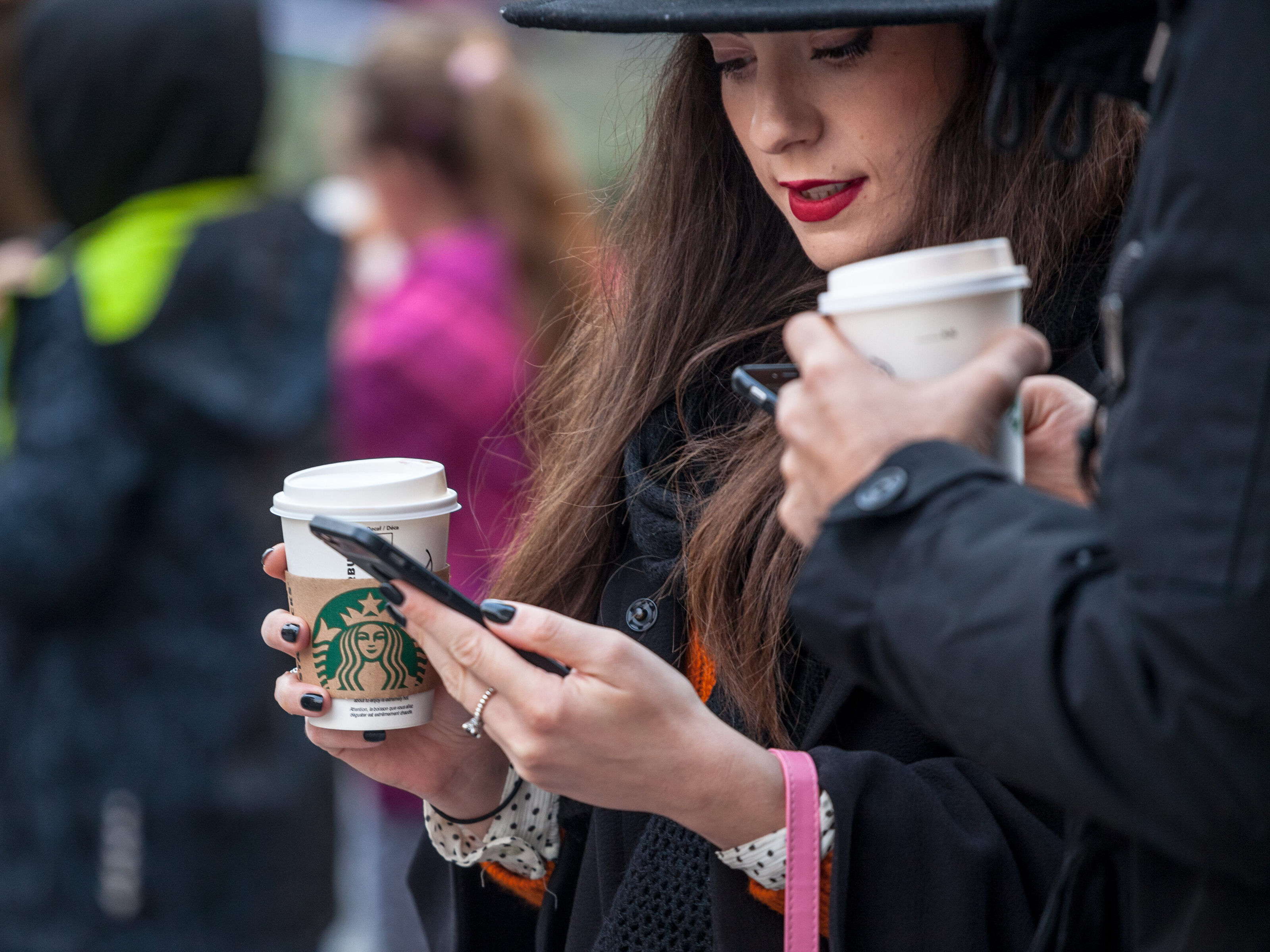
Starbucks first launched its artificial intelligence initiative, Deep Brew, in 2019. Pulling from the customer data created by its mobile app users, the coffee chain began to compile information about the individual preferences of each consumer—where they buy coffee, when, what their preferred order is, and which new products each shopper might be willing to try. These data also have been leveraged to determine the best new store locations and anticipate which menu updates would be the most profitable.
But new reports suggest that Starbucks also uses these data in seemingly less productive ways, namely, to determine which customers should be offered promotional pricing. Machine-learning models are often able to scan large data sets, identifying which marketing strategies will increase an individual consumer’s willingness to pay. Even if the algorithm that determines these practices is a black box though, the outcomes are not. Thus, customers have taken notice and reported troubling instances in which a friend or family member received a promotional offer that was not extended to them.
In response to claims of surveillance-based pricing, the Federal Trade Commission sent orders to eight finance institutions, requesting information about how customer data are collected, as well as how they might inform how pricing strategies are implemented. This information will determine if surveillance pricing puts people’s privacy at unnecessary risk or exploits their personal information to implement unfair prices.
Even if the FTC were to introduce new pricing regulations though, companies can use consumer data to drive traditional marketing strategies, like segmentation. Starbucks might send customized emails to any shopper who has not visited a store recently with an offer, inspired by that person’s order history.
Discussion Questions
- Do you think that Starbucks’s use of surveillance pricing benefits customers in the long run, by offering incentives to reluctant customers? Or does it exploit customers and its access to their data, by giving unfair opportunities to some?
- Do you use loyalty programs and ordering apps for some companies? What are some of the pros and cons of doing so?
Sources: Bernard Marr, “Starbucks: Using Big Data, Analytics and Artificial Intelligence to Boost Performance,” Forbes, May 28, 2018; “Case Study: Starbucks Revolutionizes the Coffee Experience with AI,” AI Expert Network, February 7, 2024; Elisabeth Buchwald, “You’re Not Going Crazy—You May Actually be Paying Higher Prices than Other People,” CNN, July 23, 2024
 Grewal Levy Marketing News