
Tags
If everything at the grocery store seems more expensive lately, it’s not your imagination. New reports show that the United States has been facing persistent inflation since 2021, and grocery prices have reached levels 21 percent higher than before that point. Such severe, drastic increases have imposed significant burdens on consumers.
In addition to rising costs at the grocery store, inflationary pressures mean higher interest rates on loans, making the purchases of big ticket items like cars and houses more expensive for borrowers. Another outcome of greater inflation is a slowing job market. As a result, more and more exhibit price sensitivity, with customers actively seeking out the retailers that offer the lower prices and more discounts.
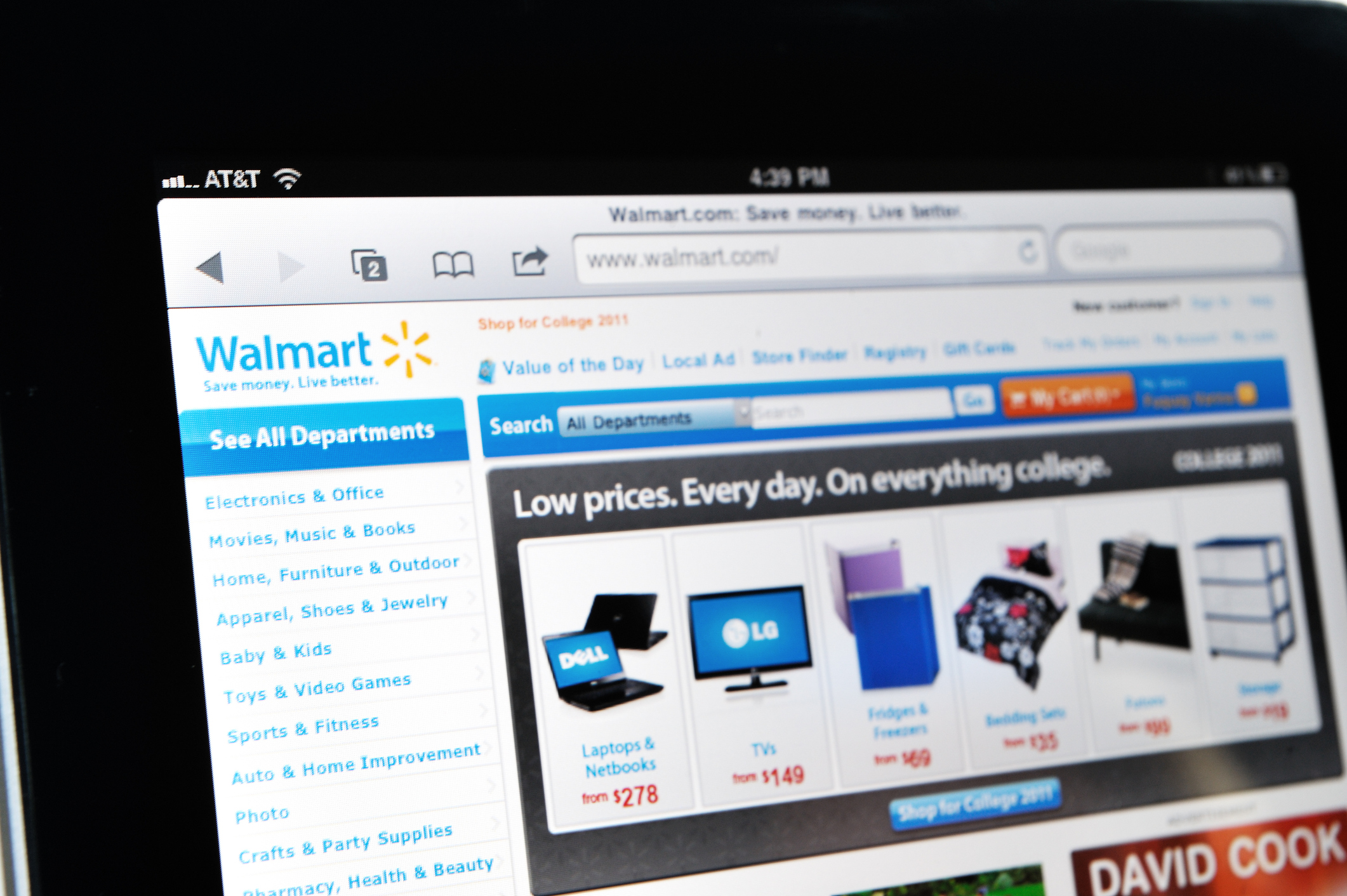
Enter Walmart. The retailer historically has emphasized low pricing. But in addition, today it is investing significantly in research and development to find ways to enhance its value proposition even further. As the largest retailer in the country, it offers ready access (i.e., within 10 miles) to an estimated 90 percent of the U.S. population. As a result, Walmart’s current market position continues to solidify. In just one recent quarter, its domestic sales rose by more than 4 percent, to exceed $115.3 billion. During the same, its e-commerce sales increased a staggering 22 percent. Such growth even outpaces inflation, indicating strong consumer retention by the retailer.
New reports also suggest the even high-income households are turning to Walmart, which would represent a significant shift in the store’s core demographic. In response to these trends, Walmart also has worked to expand its offerings, such as with its recent introduction of a premium private-label brand, Bettergoods, that focuses on sourcing luxury food items, then selling them at affordable, if still relatively higher for Walmart, price points.
On balance though, Walmart also has implemented sweeping price rollbacks in various essential categories, which is estimated to affect more than 7,200 items, at last count. Furthermore, it has invested heavily in streamlining its supply chain and improving its e-commerce processes, because doing so can enable the company to offer customers a more efficient and consistent shopping experience.
Thus, Walmart seems determined to reach and appeal to a full spectrum of consumers, from low to high income shoppers. Still, the economic environment is no joke, and even Walmart will be hard pressed to maintain such success, especially in the face of the pricing challenges that stem from continued high inflation rates and rising operational costs. Furthermore, it invariably faces competition from competitors like Target and Amazon, which have exhibited their own recent efforts to appeal to more price-sensitive consumers and sought to poach at least some portion of Walmart’s current consumer base.
Discussion Questions
- How has Walmart have outpaced its competitors in attracting more price-sensitive customers?
- Have you explored more affordable options, in response to rising prices in recent years? Which ones?
Sources: Daniella Genovese, “Walmart Beats Wall Street Expectations as it Offers More Grocery Discounts,” Fox Business, August 15, 2024; Jonathan Wong, “Walmart Raises Outlook as Sales Surge: Gains from Higher-Income Shoppers and E-Commerce Growth,” Business Times, August 15, 2024; Jordyn Holman, “Walmart Sees Higher Sales From Picky Shoppers,” The New York Times, August 15, 2024; OpenAI ChatGPT, “Assistance with Research on Walmart’s Sales Strategies During Inflation,” ChatGPT, August 18, 2024.
 Grewal Levy Marketing News