What comes to mind when I ask, “Hey, do you want to go camping this weekend?” For some readers, it might evoke excitement at the thought of getting away from regular life, breathing in some clean, fresh air, cooking s’mores, and appreciating nature. For others, the question might prompt a recoil and an insistence that they have absolutely no intention to sleep on rocky ground, in the presence of bugs, heat, and humidity, all while risking wild animal encounters. But I’d be willing to wager that not very many readers immediately think, “Ah, camping. Now that’s luxurious!”
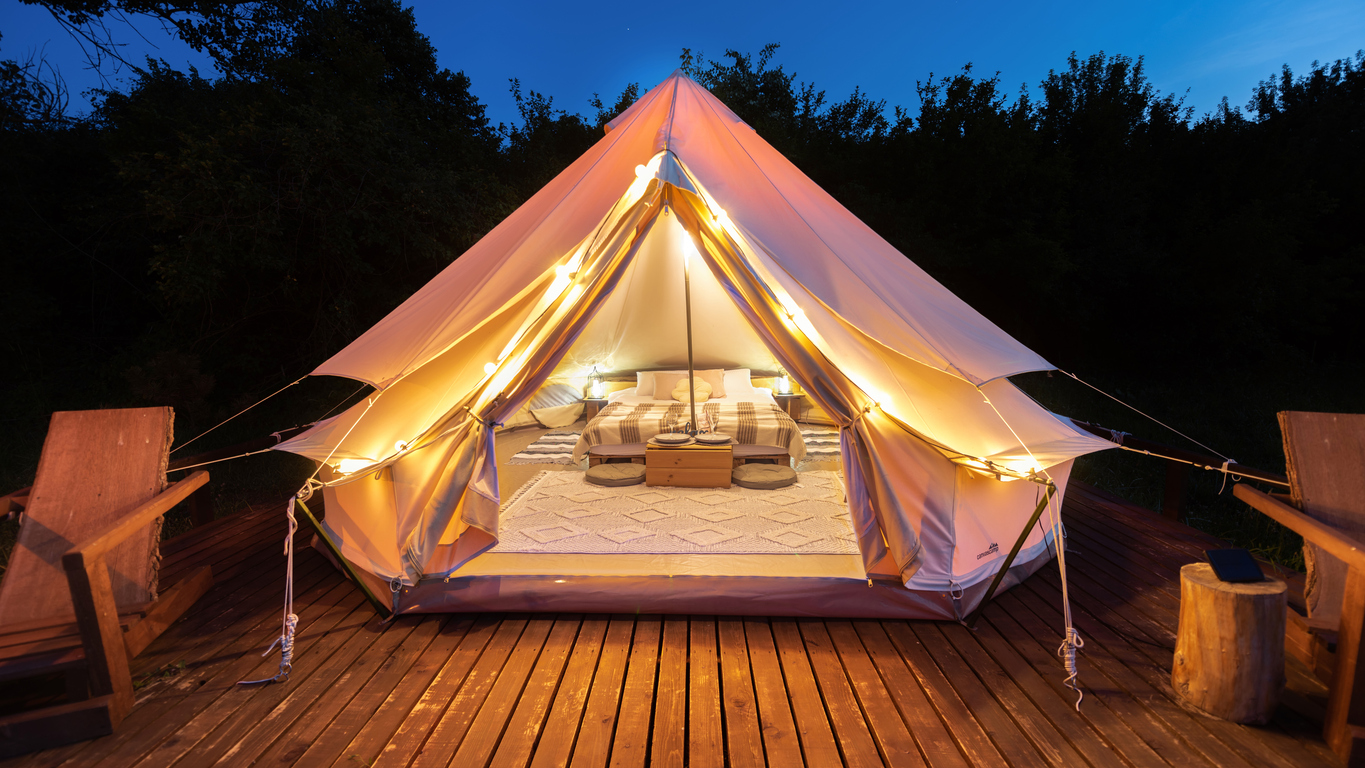
Maybe I’d be wrong though. Retail trends in recent years have signaled a massive increase in the popularity of camping, embraced by a widening cohort of consumers, which includes those who prefer and seek out high-end, luxury versions of even a rustic pursuit like camping. Specifically, approximately one-third of new campers embrace this version, giving rise to the emergence of the term “glamping.” Between 2019 to 2024, the luxury camping sector accounted for an estimated 15.6 million new customers.
What it means to go “glamping” can vary greatly. Many offerings boast private locations with log cabins, comfortable beds, on-site dining, and full-service WiFi. Industry experts also predict increasing reliance on artificial intelligence, as a way to better predict customer preferences and individualize experiences. To serve this new market segment, a host of complimentary brands have emerged and gained expanded customer bases, promoting products and apparel that promise to enhance glampers’ outdoor experience.
The designer outerwear brand Moncler has introduced new functional technology, as has high-end footwear company Keen. Joining these stalwarts are some relatively newer apparel lines, including the minimalist outerwear provider RAINS, which reported a surge in popularity during the coronavirus pandemic, when vacationers avoided conventional hotels and embraced camping as an alternative way to take a vacation during lockdowns. Even following the pandemic though, interest in camping has remained largely steady, suggesting that the trend reflects deeper consumer preferences and desires, as well as some nostalgia for a simpler way of living.
Beyond apparel, other luxury outdoor products promise to make glamping more comfortable. Forbes recently extolled the many virtues of the Solo Stove, a smokeless, portable firepit. Although it sells several different models, which range in size and price, the foundation of Solo Stove’s product portfolio is its backyard fire pit, named the Bonfire. It markets this design as an experience rather than just a product, highlighting its ability to get families to gather together and build memories, while sitting around a safer, more convenient reinvention of a classic outdoor bonfire. Outdoor experiences offer a chance to perform everyday activities amid nature, whether that means eating, bonding, sleeping, hiking, or working. In a frenetic modern world, with its overdependence on work and lack of free time, perhaps getting outside is a meaningful solution. It’s one that should be available to everyone, even people who can’t stand the idea of truly roughing it.
Discussion Questions
- Why are high-end camping experiences particularly popular among new campers?
- Have you tried any outdoor experiences in the past few years? How would you explain the deeper, persistent appeal indicated by recent retail trends?
Sources:Claire Zhao, “Glamping Is on the Rise in the Age of Hybrid Work,” Fast Company, May 14, 2024; Kate Hardcastle, “The Great Outdoors, Unplugged but Upgraded: The Rise of Luxury for Active Lifestyle,” Forbes, February 3, 2025; Sumner Park, “Camping in Luxury: Why the ‘Glamping’ Trend Is on the Rise,” FOX Business, May 27, 2024
 Grewal Levy Marketing News