
Tags
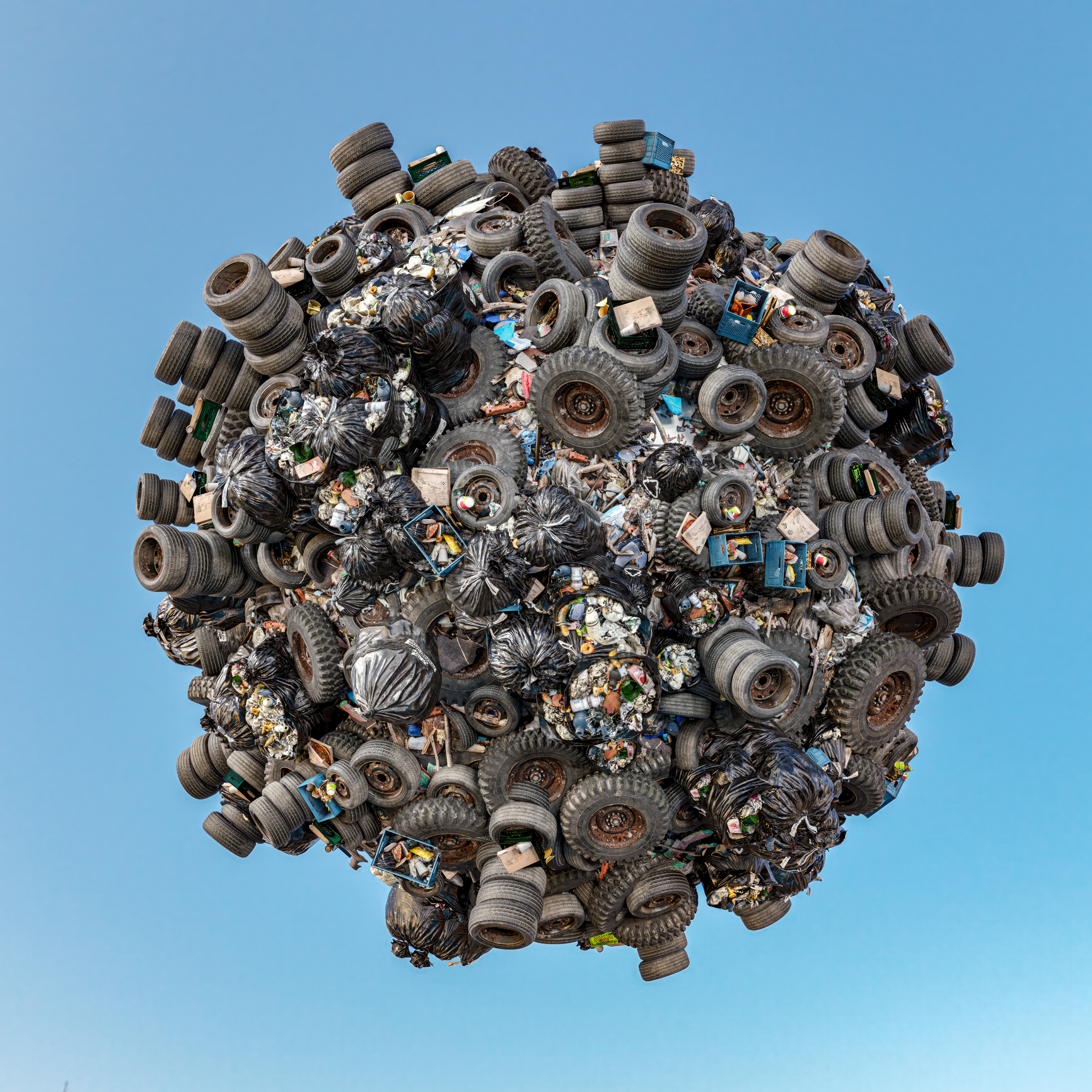
Approximately one billion tires reach the end of their usable life each year, and the vast majority of them wind up discarded in landfills. Burning them would create toxic pollution in the air; leaving them sitting in piles creates ready breeding grounds for insects and vermin; waiting for them to decompose would take an estimated 80 years or so. In essence, used-up tires represent significant health and environmental risks for any nearby human and ecological populations. But people still need tires for their cars, trucks, motorcycles, and bicycles, so phasing them completely out of existing markets isn’t a reasonable solution either.
Solving this sort of wicked dilemma demands serious creativity. And thankfully, the world is full of creative people who might come up with clever solutions to intractable problems. Consider the fashion designers Kevine Kagirimpundu and Ysolde Shimwe, whose company Uzuri K&Y is making a name for itself as a sustainable fashion brand dedicated to reusing single-use materials, including the rubber from used tires. (Uzuri is a Swahili word representing beauty and goodness; the two letters are the founders’ first initials.)
Therefore, Uzuri K&Y seeks out and purchases tires from local waste sites, then ships them to industrial facilities, where local residents trained as skilled laborers transform the used rubber into colorful, appealing shoes and sandals. The training program established by Uzuri K&Y already has graduated 1,500 skilled workers, most of them women, who produce more than 4,500 shoes in a good month.
All these efforts take place in Rwanda, a country that has undertaken dedicated efforts to address the ongoing global climate crisis by imposing strict regulations designed to limit the use of non-recyclable material. For example, in 2008, Rwanda became one of the first countries in the world to ban polyethylene bags, and in 2019, the government eliminated all disposable plastics, including takeout containers and water bottles. In addition to being motivated by such regulatory demands, Uzuri K&Y’s market strategy represents a dedicated drive to create jobs in a country that has struggled for decades with an infamously high unemployment rate.
A sustainable production and human resource strategy can only go so far in ensuring success though, so once the colorful shoes and sandals have been produced, they enter diverse sales channels, both online and in physical stores in Rwanda and neighboring Kenya. The company refers to its strategy with the term “4R technology,” dedicated to “recycling, reusing, recovering, and reducing car tires to create eco-friendly footwear.”
The innovative business model in turn has caught the eye of some deep-pocket investors, including Tommy Hilfiger. In 2022, Uzuri K&Y emerged victorious from the Tommy Hilfiger Fashion Frontier Challenge, a program founded explicitly to support historically underrepresented designers achieve more global recognition. Taking top place meant that Kagirimpundu and Shimwe received €100,000 to invest in their business, along with mentorship opportunities from industry leaders.
Just a year later, Kagirimpundu was named one of the top 10 entrepreneurs in Africa, a list created by the Jack Ma Foundation—that is, the foundation named after the billionaire founder of Alibaba, China’s largest ecommerce platform. For this notable achievement, Kagirimpundu was awarded $65,000.
Having received this recognition and remuneration, Uzuri K&Y must find ways to continue growing, scale up its production model, and attract retail markets outside of Africa. Innovation, creativity, and 4R technology have brought it a long way. Can the tires hold out, in the form of shoes, to drive this creative endeavor around the world?
Discussion Questions
- What are the benefits and limitations associated with building a business in Rwanda? What effects has this national setting had on the market strategy adopted by Uzuri K&Y?
- Imagine you were hired as the U.S. marketer for the company. How would you promote the company’s unique brand identity? What aspects would you emphasize most?
Sources:Jackie Prager, “This Rwandan Entrepreneur Turns Discarded Tires into Fashionable Footwear,” CNN, March 14, 2025; Michel Nkurunziza, “Five Rwandans Who Secured Funding from Jack Ma’s Alibaba,” The New Times, September 5, 2023; “Tommy Hilfiger Fashion Frontier Challenge Reveals Six Finalists,” Fiber2Fashion, January 6, 2022; “The Story,” https://corporate.uzuriky.com/about.
 Grewal Levy Marketing News