
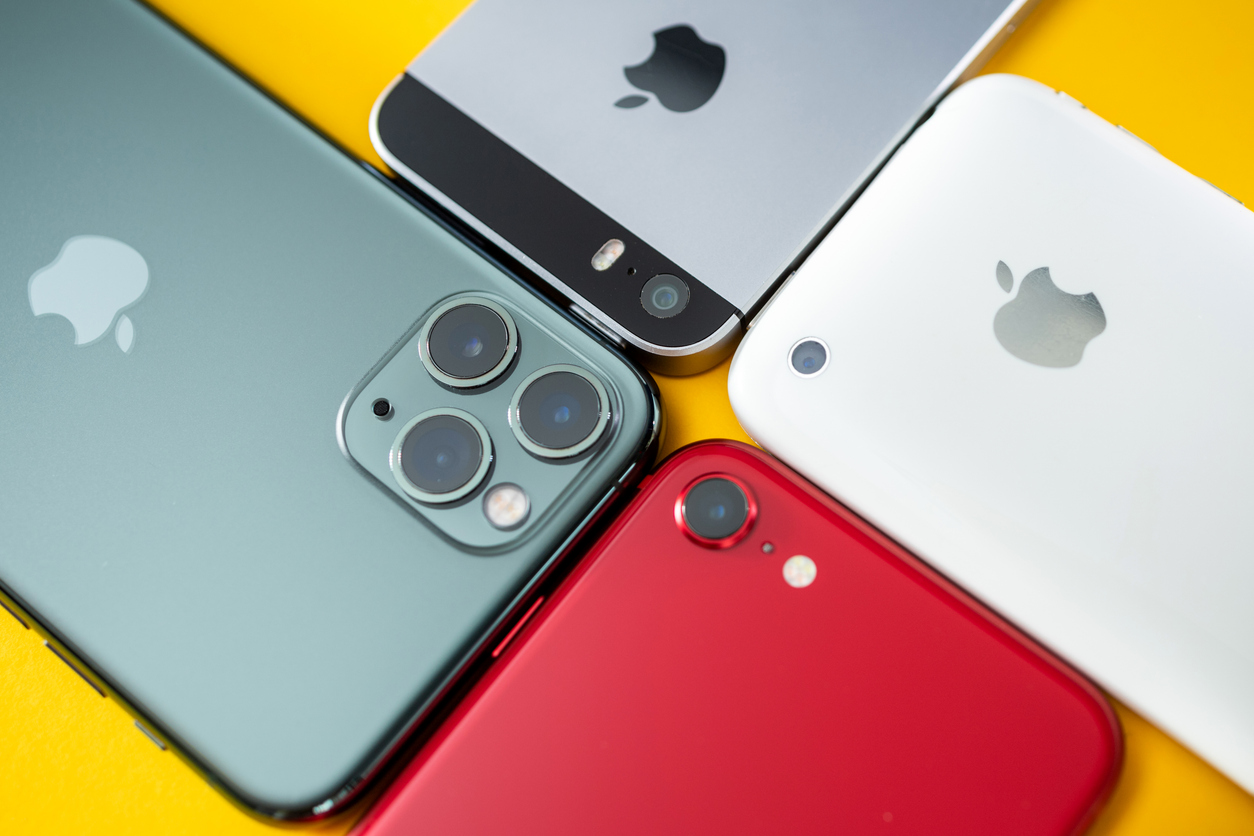
The introduction of a newer, upgraded consumer technology product, like the iPhone, almost invariably means the introduction of a new, higher price too. That truism applies even to “budget” versions, like the iPhone SE. This model represents the most basic version of the iPhone, seemingly promising access to consumers who balk at paying the four-figure prices required to get the higher-end models. But even this affordable model, when it arrives in version 16, will come with a price tag of $599.
The new iPhone 16e, introduced in February 2025, represents the first upgrade of the relatively more affordable model since 2022. Its new features include Apple Intelligence, an AI-supported system that provides users with automatic notification summaries and writing recommendations. These phones also rely on facial recognition to be unlocked; Apple is phasing out home buttons and fingerprint recognition software. Internally, the iPhone 16e will house Apple’s first custom-designed modem chip, which it developed after it cut ties with its former chipmaker partner Qualcomm. This chip promises to provide the same 5G connectivity as previous iterations, but it appears that Apple is using this specific product launch to test the chip’s performance, before integrating it into other releases.
Such added features likely underlie Apple’s decision to raise the price threshold, though notably, that rise is substantial: The iPhone 16e is a whopping 40 percent more expensive than the previous iPhone SE model. Of course, some of the reason for the higher price also reflects international developments, including the dynamic and uncertain questions about the effects of U.S. import tariffs on goods manufactured in China.
These justifications might not be enough to convince consumers though. In particular, a recent survey challenged the actual value of AI features for consumers; the advanced technology might seem cool, but many people do not place substantial value on receiving recommendations for how to word messages that they are sending to their friends and family. Adding AI features does not appear to drive purchase intentions either. Instead, customers increasingly display need-based purchase patterns, such that they only replace their phones after their current device stops working.
These trends, if they hold consistently, would signal a significant shift, as well as an essential challenge to Apple. The company has long enjoyed unrivaled brand loyalty, as well as the confidence that its fans will stand in line, literally and figuratively, to earn the right to purchase the latest models and most up-to-date technology. But if other smartphone manufacturers can supply consumers with functional, appealing phones—even if they don’t have the latest AI capabilities—at lower prices, the brand appeal that has long driven Apple purchases might be undermined. Even Apple cannot assume that brand loyalty is unshakeable. Rather, it needs to acknowledge the reality: Company profits have declined, and iPhone sales have fallen 2 percent compared with 2022 levels. In China, Apple’s second most profitable segment, sales dropped 2.4 percent in 2024, and rival companies continue gaining market share.
Discussion Questions
- Should Apple be worried? Why or why not?
- At what point are Apple customers likely to start pushing back against higher prices? Have we gotten there yet?
- Given inflation and import tariffs (and uncertainty) in the U.S. market, are other tech companies likely to increase their prices? Can any companies avoid doing so, and how?
Sources: Michael Liedtke, “Apple Unveils a Souped-Up and More Expensive Version of Its Lowest Priced iPhone,” Associated Press, February 19, 2025; Stephen Nellis and Akash Sriram, “Apple Reveals Its Version of Budget AI: The $599 iPhone 16e,” Reuters, February 19, 2025; Tripp Mickle, “Apple Unveils New Lower-Priced iPhone with A.I. Features,” The New York Times, February 19, 2025
 Grewal Levy Marketing News