Tags
head, merch, merchandise, NFL
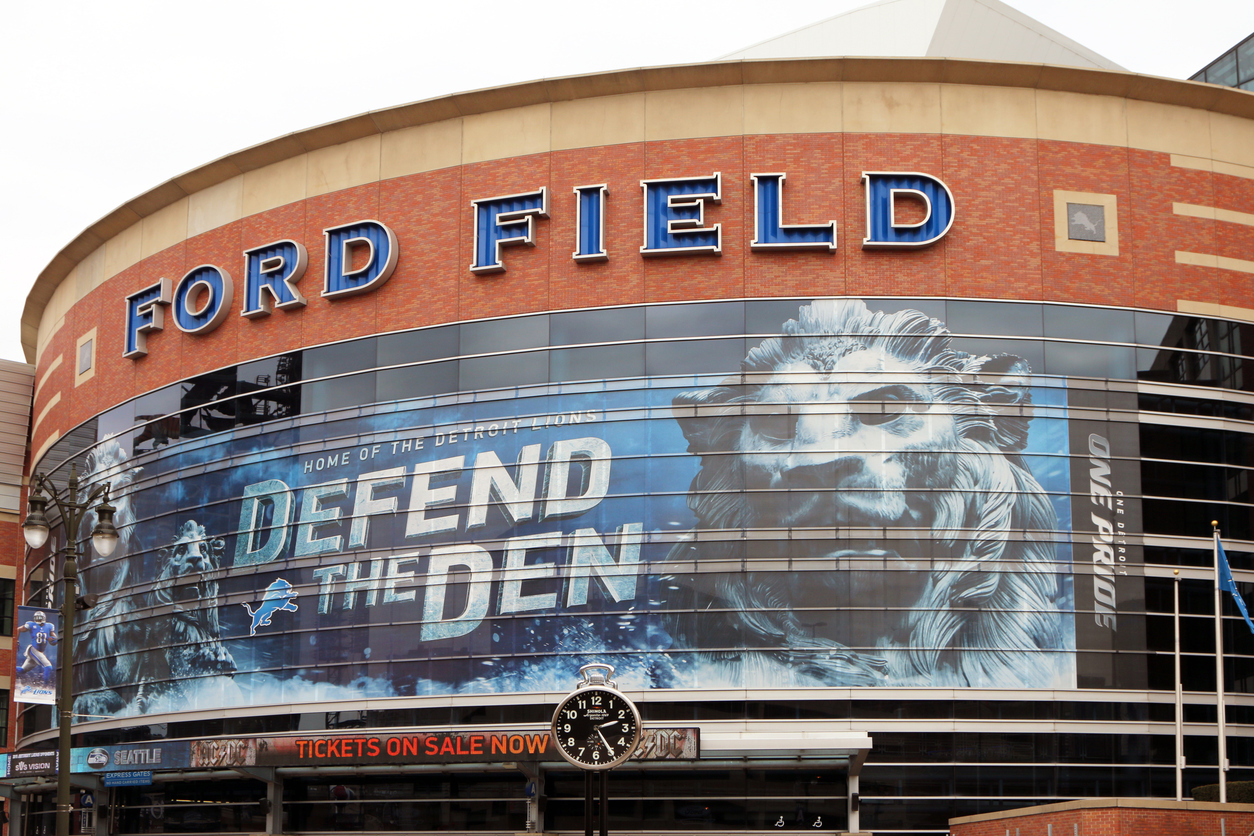
For many years, admitting to being a fan of the Detroit Lions was something people did with their heads hung and a bit of regret in their voice. One of the few NFL teams never to have won a Super Bowl, the Lions suffered years—nay, decades—of losing records. Yet like the scrappy Midwestern town they represent, Detroit fans refused to give up completely, demonstrating their commitment through thick and thin.
Consider Todd Lansky, who maintained his fandom even while living in the home of the Lions’ division rivals, the Chicago Bears. To proclaim his loyalty, Lansky designed some hats and t-shirts that he and his pals could wear to their local pickup basketball games. They referred to themselves as the Detroit Army—a collection of Detroit expats who found one another in Chicago and offered the moral support needed to remain a fan of a losing team. Encouraged by the popularity of his gear, he started selling hats and shirts on the side, developing a tiny retail operation.
When the Lions hired Dan Campbell in 2021, we can only imagine the excitement of the Detroit Army. Campbell came in with a brash attitude and a determination to win, and his success has been remarkable, leading the team to the playoffs in the past two seasons. The combination of his no-nonsense attitude and ability to inspire realistic hope among Lions fans has transformed him into one of the most popular sports figures in the NFL today. When Campbell makes an announcement or a promise, fans pay attention.
Todd Lansky is a fan too, which is why he sent some of his Detroit Army gear to Campbell on a lark. But imagine what happened when Campbell, in a nationally televised pregame interview with Michael Strahan on Fox Sports, sported a Detroit Army trucker hat on his head. Lansky likely had no idea what his personal selling initiative would bring about: Within 3 minutes of the broadcast starting, the Detroit Army received 379 requests to place orders. A year later, it racked up nearly 3,000 orders placed and delivered.
But the company still remained mostly a hobby. Although Lansky—an attorney by trade—was smart enough to have trademarked the Detroit Army name and logo early on, he did not initially imagine it as his primary business. As the orders poured in, he quickly worked to develop a more functional website. His teenaged daughter helped set up the company’s Instagram account and coached her dad on how to post compelling content. Even as the marketing tactics they use gain sophistication and traction though, personal selling remains central to the company’s approach. Lansky sends a care package of updated Detroit Army merchandise every couple of weeks to Campbell and other coaches. These public figures frequently and voluntarily wear the gear, praising the brand’s local identity and authenticity, as well as its underlying goal of bringing Lions fans together. Other than the free swag, the Detroit Army does not offer the coaches any compensation; they wear it because they want to.
Thus, the Detroit Army might have a lot of fans and recruits, informally. But so far, the company remains a one-person operation (at least until Lansky’s daughter graduates from college and, he hopes, joins him in running it). Still, as the company itself claims “Detroiters are fiercely loyal to their hometown. That’s why it works.”
Discussion Questions
- At what point will the Detroit Army need to scale up its operations to meet demand? What sort of marketing plan would you design and recommend to Todd Lansky?
- Is sending free merchandise an effective marketing tactic? When and in what sort of conditions is it likely to be more or less successful?
Sources: Scott Cacciola, “As the Detroit Lions Surge, Fans Flock to an Unofficial Uniform,” New York Times, January 17, 2025; Eric Woodyard, “Six Stories that Explain Lions Coach Dan Campbell,” ESPN, December 14, 2022; “Our Story,” Detroit Army, https://detroitarmy.com

 Grewal Levy Marketing News