
Tags
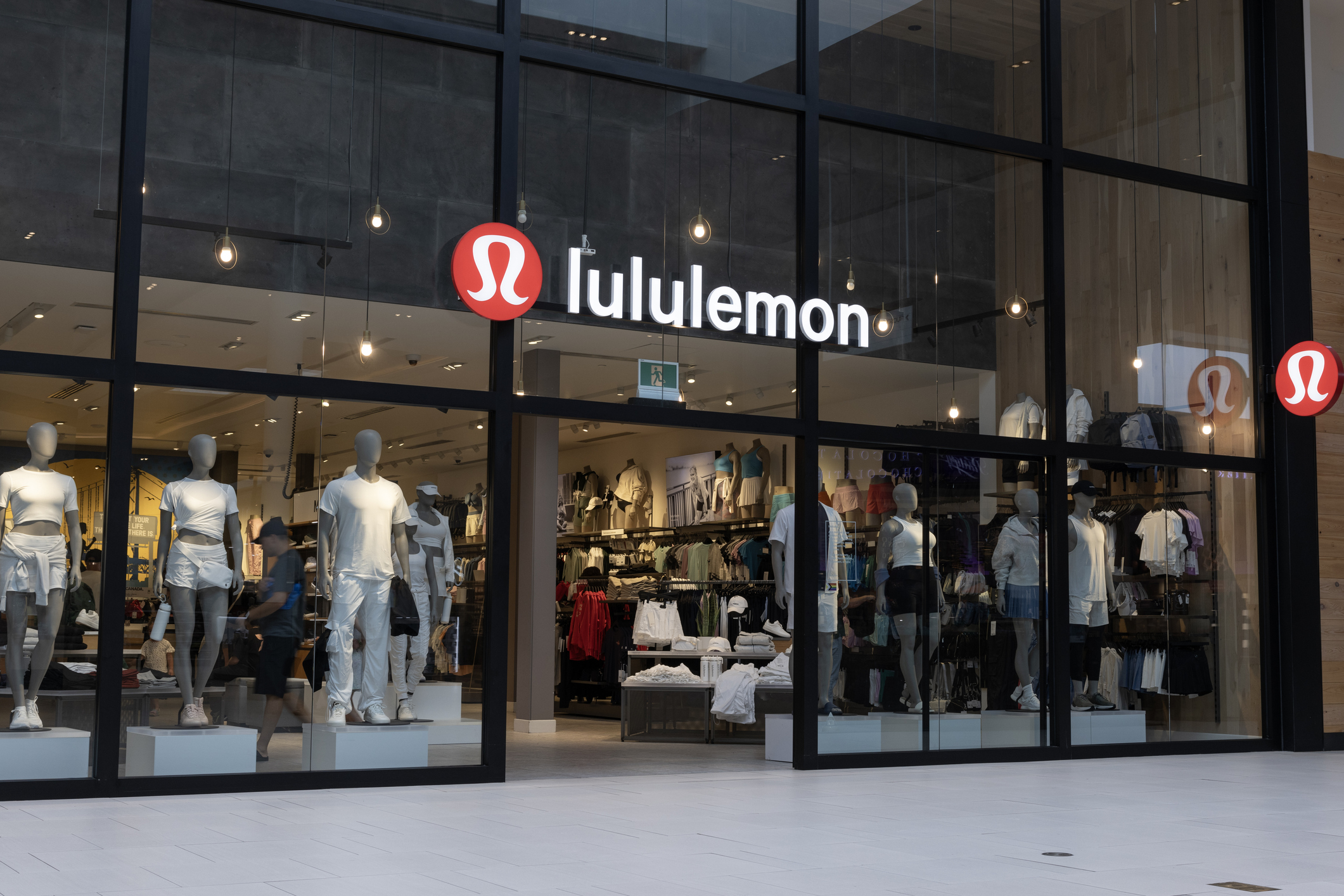
The athleisure movement of the early aughts arguably reached its peak around the mid-2010s, when sleeker workout styles became acceptable in more spaces, giving rise to the ubiquitous yoga pant. But now, the company that was at the forefront of that growth, Lululemon Athletica, is facing a number of new challenges.
It has long been subject to criticisms and sparked controversy, particularly with regard to the exclusionary policies and statements embraced by its founder, suggesting yoga pants were only for thin people. Furthermore, consumers have complained about the transparency of the material used to make yoga pants. Even following these challenges though, the company retained a reputation as the most popular source for branded workout and athleisure gear for many years. Recent trends imply that status might finally be at risk.
In particular, the company announced its decision to lower prices and profit projections this year, citing decreasing sales. The move comes after reports of increased competition from rivals, including Alo Yoga and Beyond Yoga, both of which specialize in the looser-fitting workout pants that are currently trendy. Even as Lululemon moved to expand print and color options, and refine its product offerings, experts have criticized the lack of new products in both standard and seasonal clothes. Others believe that even these changes won’t be enough to save domestic sales.
This conversation comes after a tough year for the company, when its introduction of a new line called Breszethrough prompted a lot of backlash and a wealth of complaints. The designs were criticized as being unflattering by many customers, due to the tendency of the pants to create the appearance of what some have called “long butt,” that is, a flattened backside.
Meanwhile, younger generations seems to be turning away from the flagship brand, perhaps lured by the ready availability of many other competitors in the athleisure sector, which themselves are fighting for market share. Some have leaned into their core values, cultivating a niche for themselves, while other have tried to cultivate a new space within the potentially oversaturated wellness space.
A price-based appeal might be especially effective. Inflation has also decreased the overall market of interested buyers, and then the consumers who remain tend to focus on more affordable brands. Experts have cited Nike, Adidas, Gap, and Columbia Sportswear as viable alternatives for these savvy consumers. Still, Lululemon is unlikely to disappear any time soon. Its international revenue has continued to expand, with profits up 29 percent this year. The company also remains focused on meeting its stated aim in these markets, namely, to quadruple international sales between 2021 and 2026.
Discussion Questions
- Why was Lululemon so successful in the mid-2010s? What factors might account for this recent slump? Do those challenges pose a problem long-term?
- Is Lululemon your preferred athleisure retailer? Why or why not?
Sources: Courtney Rehfeldt, “Lululemon Cuts Full-Year Guidance as Competitors Circle,” Athletech, August 30, 2024; Kim Bhasin, “Lululemon’s $98 Yoga Pants Face Baggier Fashions, More Rivals,” Bloomberg, August 30, 2024; “Lululemon Losing Its Edge as Competition Heads Up, Offerings Underwhelm—Analyst,” Seeking Alpha, May 21, 2024
 Grewal Levy Marketing News